I’ve been staring at my outline for about two weeks now. The
first couple of chapters have been roughly detailed, but past there I’m not
sure how I want to continue. And it’s not that I don’t have an idea of where I
want the story to go – I have a beginning, a middle, and an end already
plotted. It’s all the fiddly bits in between that I’m unsure of.
I never used to outline my writing. I let it take me where
it wanted to go. In the past this has worked quite well, but too often it can
lead to unassailable blocks. You can’t write very easily if you don’t even know
what the story is trying to tell you. Too many projects have been left behind
in the dust due to poor planning.
And yet, there is something to be said for letting the
natural flow of a story surprise you. I don’t think there is a writer out there
who has not been taken off guard by an aspect of their own plot line (or
character) that they didn’t plan. It just shows up sometimes. The subconscious
slips the connections in there while you’re too busy stressing over a single
section of dialogue. These organic developments, like thieves in the night,
tend to creep in and seed the story with bits and pieces that the writer will suddenly
connect down the road with a cry of “Eureka!”
One of the most satisfying parts of writing is impressing
ourselves with our own genius, is it not?
But – in order to get to that point – we often have to power
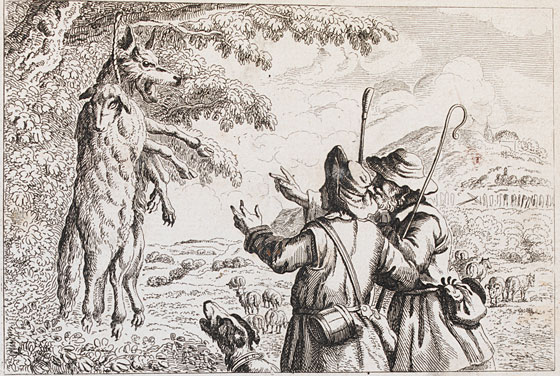
through some very tough and lean times. Daniel Swensen calls it “Writing through the Wolf’s Hour.” According to his very practical post on setting goals
and charging through them, we writers have been fed a lie through media and
through the glorified legends of our idol writers that we have to chug out
perfection on the first draft.
Speaking from experience, there is no faster way to doom
yourself to failure than to allow yourself to believe that anything short of perfection
is not worth pursuing.
We should always strive for the best creation we can
possibly put together. Editing, proofing, proper formatting, and draft after
draft after painful draft will always lead to a better experience for both the
writer and the reader. But to expect that you can create something that will
rise above all those behind-the-scenes hours the first time around not only
discredits the work of editors and beta readers, but also snivels the joy right
out of the writing process. Of course you’re going to get blocked if you
paralyze yourself into interrogating each word and phrase before you give
yourself the chance to write them.
“Either give yourself
permission to suck and finish what you started, or expect perfection the first
time around and invite crushing failure.”
Imagine if a doctor held up a just-delivered baby, still
squirming and screaming, and asked, “Well?
What’s next? What are you going to do with yourself now? Prove your worth!”
Don’t you think someone in the room might be a touch cross?
They might say, “It’s a bit early for that, doctor. He can’t even roll over yet.
He has a lot of growing to do.”
Just so with your story: don’t expect perfection of it when
it’s just started, still squirming and screaming and messy. The only way to
let it grow is to be patient and work with it over time.
There are lots of little demons along the way that will try
to get you to scare yourself into giving up before the story has a chance to be
finished. Mine personally are already questioning why I haven’t made any
progress on my outline in two weeks. There are lots of reasons: busyness, too
many projects, a new computer, a death in the family, sheer exhaustion. I
basically need a vacation.
But I think one of the bigger reasons is that I need to step
back from the outline and stop trying to grasp the big picture all at once.
After all, I’m a writer. What I need to do is pick up where my last section
left off and just start writing. Maybe I’ll get to the end of those first two
planned chapters with a better idea of where to go. And then I can outline a
little bit more, write a bit more, outline, write, outline, etc. Until the
story is (*gasp*) finished.
“The Plot Police
aren’t going to show up to your house and start marking down your mistakes in
the Book of Life.”
We’re allowed to screw up. We’re allowed to make bad plot
choices. We’re allowed to be vague when we describe our characters.
That’s called the writing process (you know – that thing we’re
supposed to enjoy as writers?). After all, no journey is without its imperfections.
That’s usually what makes the adventure so exciting! And if you find yourself
getting bogged down in the never-ending tally of things you need to go back and
fix, just remember – that’s part of the process too.
So when those little demons start growling over your shoulder about all the things you’ve done wrong, masquerading as your muses when they’re really just perfectionism pretending to be useful, snarl right back at the shadows and keep going. It’s not going to kill you to leave something for later. Instead, try to look forward to your second draft. That’s when you can allow yourself to be picky. That’s when the real crafting begins.

